Mastering HTS Code Classification for Global Trade Success
Master the essentials of HTS code classification to streamline your import-export process and avoid costly compliance errors.

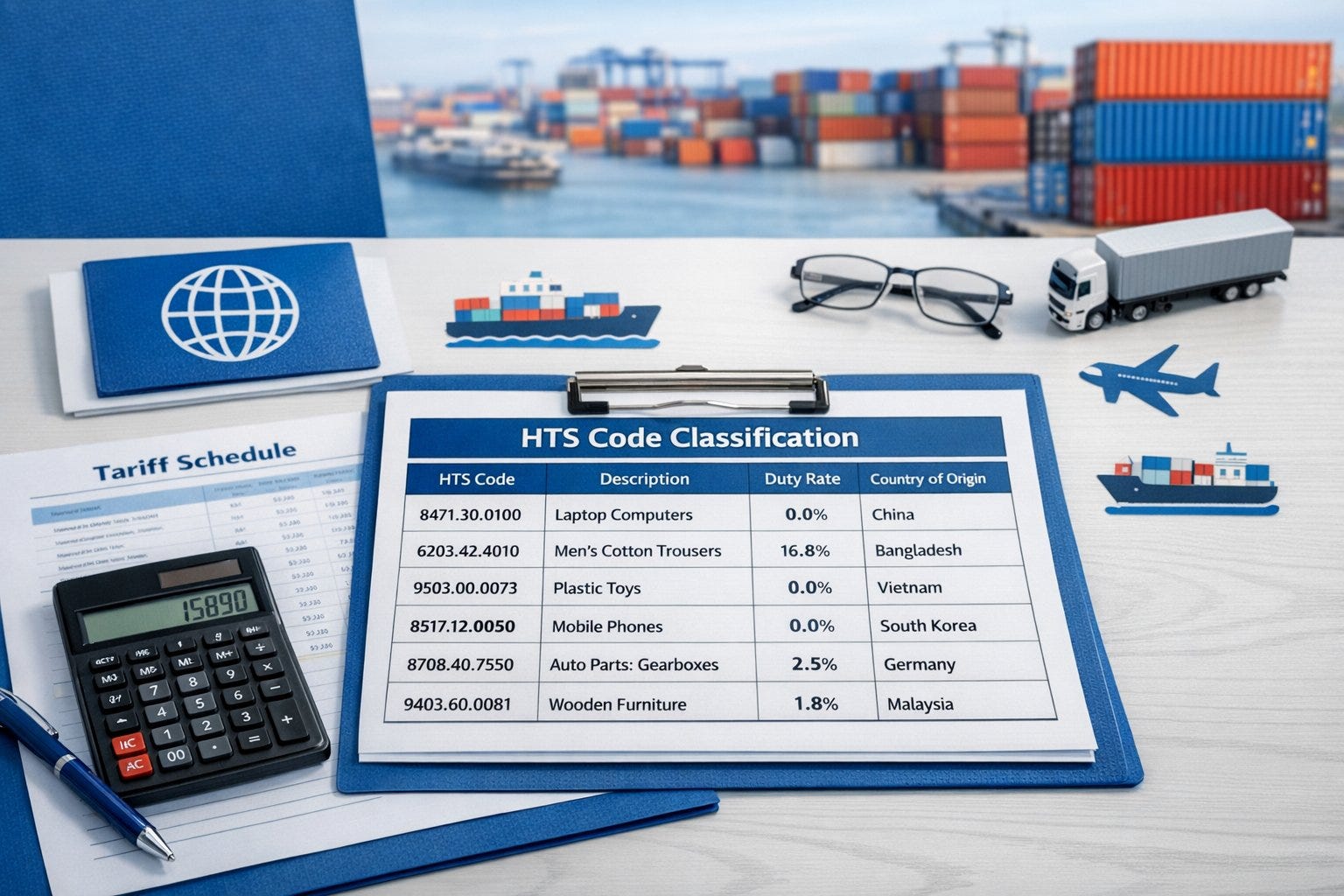
HTS code sits at the heart of global trade, but figuring them out can be a headache. If you’re importing or exporting, mastering HTS classification isn’t optional—it’s essential. The real secret lies in uncovering every detail—product composition, technical specs, and actual uses—before applying any code. Guesswork simply invites costly errors and compliance nightmares. Want to streamline your shipments and avoid trouble? Start now by exploring your products fully. Accurate details lead to smoother processes and true peace of mind.
Contents hide
1 Common Errors in HTS Product Classification
1.1 Making Assumptions About HTS Product Categories
1.2 Adopting Another Company’s HTS Codes
1.3 Skipping HTS Classification Framework Rules
1.4 Incorrectly Classifying HTS Product Sets
1.5 Working With Expired HTS Codes
1.6 Applying Foreign Classification Systems to HTS
1.7 Attempting HTS Classification Without Expert Guidance
1.8 Failing to Record HTS Classification Decisions
1.9 Missing Published HTS Guidance
1.10 Failing to Update HTS Product Classifications
2.1 What does an HTS code structure mean for trade classification purposes?
2.2 What process should you follow to identify the right HTS code for your merchandise?
2.3 Where should exporters look for official HTS code listings?
2.4 Why does the HTS number matter in international shipping paperwork?
2.5 How do you maintain proper adherence to HTS requirements?
2.6 What materials does the USITC offer for understanding HTS classifications?
RELATED Tickets Checkout
Common Errors in HTS Product Classification
Making Assumptions About HTS Product Categories
Plenty of businesses just guess at HTS classification numbers. That usually leads to trouble.
The Harmonized Tariff Schedule expects you to dig into details—composition, use, and physical traits. Relying on a product’s general name won’t cut it.
So, what do you need? Gather every technical spec you can before choosing an HTS code. That means:
Raw materials and components
Manufacturing processes
Primary and secondary functions
Physical dimensions and weight
If you hand your broker a vague description, you’re just asking for the wrong duty rates. Compliance headaches follow.
Adopting Another Company’s HTS Codes
Just because a supplier or competitor uses an HTS code doesn’t mean it fits your stuff. Two products might look nearly identical but use different materials or serve different purposes.
Those little differences can change the HTS classification completely. Always check your product’s specs against the official schedule. Don’t copy—verify.
Skipping HTS Classification Framework Rules
The General Rules of Interpretation create the backbone for using HTS codes. Some folks treat the schedule like a search bar instead of a legal document.
You have to follow the rules in order. Many skip to later steps, but that’s not how customs sees it. The Bureau of Customs and Border Protection checks your work for proper rule use.
Here’s the order for HTS rules:
Classification by heading
Incomplete or unfinished articles
Multiple applicable headings
Most similar goods
Cases and containers
Subheading comparisons
Incorrectly Classifying HTS Product Sets
Shipping multiple items together? HTS classification gets trickier fast. The Harmonized System lays out strict criteria for sets, but many importers miss them.
To qualify as a set under HTS, your products must meet all three of these:
If you check all those boxes, classify the set by the item that gives it its essential character. Miss one? Then classify each item on its own.
Working With Expired HTS Codes
The Harmonized Tariff Schedule of the United States changes all the time. If you use outdated HTS codes, you’ll get rejected entries and wrong duty amounts.
Check your codes regularly, especially if your goods fall under categories hit by recent policy changes. The schedule updates for trade agreements and tariff rates—what worked last year might be outdated now.
Applying Foreign Classification Systems to HTS
Your overseas supplier’s code won’t always work for U.S. imports. The international Harmonized System sets the base, but each country, including the U.S., tweaks it.
The U.S. Harmonized Tariff Schedule adds extra digits and notes. Always use the U.S. HTS version for your classification and tariff decisions.
Attempting HTS Classification Without Expert Guidance
Trying to handle all HTS classification in-house can get expensive fast. These decisions need legal know-how and customs experience.
Licensed customs professionals can dig into your product details and defend your choices in audits. They keep up with changes and know how to deal with tricky situations the manuals don’t cover.
Failing to Record HTS Classification Decisions
If customs asks why you picked a certain HTS code, you’ll need to show your reasoning. No records? You might owe back duties—or face penalties.
Keep documentation like:
Complete product specifications
Schedule notes you used
Binding rulings you checked
Expert opinions you received
Your decision rationale
These records protect you in audits and help with future, similar products.
Missing Published HTS Guidance
Customs puts out binding decisions that explain how to classify certain products. If you skip these, you miss out on shortcuts and clarity.
These rulings set precedents. Reviewing them helps you see how officials interpret the HTS schedule and apply it to real-world goods. It’s more useful than just reading the rulebook.
Failing to Update HTS Product Classifications
Products change—new materials, new features, or design tweaks. If you never review your HTS code, you invite compliance problems.
Revisit your classifications when specs change and sometimes even when they don’t. Manufacturing tweaks or supplier swaps can shift your items into new HTS categories with different U.S. tariff rates.
Regular reviews catch issues before they cost you money. Keep your records up to date with your current products.
RELATED Orders Tracking
Common Questions About HTS
What does an HTS code structure mean for trade classification purposes?
An HTS code uses a specific number sequence to show where a product fits. The first six digits match the international Harmonized System. The last four digits are unique to the U.S.
You read the code left to right. Each pair of digits gets more specific. The first two are the chapter, the next two are the heading, and the third pair creates a subheading.
The final four digits pinpoint the exact tariff line for U.S. imports. This HTS system lets customs and importers talk the same language when describing goods crossing borders.
What process should you follow to identify the right HTS code for your merchandise?
Start by figuring out what your product’s made of and what it does. Material and function matter most for HTS codes.
Check the Harmonized Tariff Schedule categories for the right chapter. Read the legal notes at each chapter’s start—they tell you what fits where.
Work through the digits step by step:
Find your chapter (first 2 digits)
Locate the heading (next 2 digits)
Identify the subheading (next 2 digits)
Select the tariff line (final 4 digits)
If you’re stuck, check past CBP rulings or request a binding ruling. You can also consult classification guides to avoid common HTS mistakes.
Where should exporters look for official HTS code listings?
The U.S. International Trade Commission hosts the official HTS online. That’s the source you need when classifying goods.
You can access the full schedule for free, and the USITC updates it regularly. CBP also offers tools and databases for searching HTS codes, including rulings for similar products.
Trade software and customs brokers have databases too, but always check with the official USITC version. Third-party tools help you search faster, but only the government source counts for compliance.
Why does the HTS number matter in international shipping paperwork?
Your HTS number decides your duty rate when goods enter the U.S. Customs uses this code to figure out your tax percentage.
The HTS code also affects whether your product qualifies for special programs. Trade deals, duty suspensions, and preferential rates all depend on getting the right classification.
Shipping documents require the HTS code so customs can process your entry. If you use the wrong one, your shipment might just sit at the border while officials ask for more info.
Other government agencies use HTS codes too. They track trade stats, enforce rules, and sometimes add requirements like Section 232 tariffs on certain materials. Your classification can even affect inspections and agency reviews.
How do you maintain proper adherence to HTS requirements?
Keep solid records that show why you picked an HTS code. Note the specs, materials, and intended use. If customs asks, you’ll have your reasoning ready.
Review your classifications regularly. The HTS changes—new chapters, deleted codes, revised notes. What worked before might not be right now.
Best practices for HTS compliance:
Train your team on classification basics
Use binding rulings for tricky or high-value items
Work with licensed customs brokers who know HTS rules
Audit your past entries for mistakes
Stay updated on trade policy changes
If you’re unsure, ask for help before you import. CBP’s ruling programs give written confirmation of the right HTS code. It’s free and gives you legal protection if you follow their advice.
What materials does the USITC offer for understanding HTS classifications?
The USITC publishes an updated FAQ document that answers common questions about the Harmonized Tariff Schedule (HTS). This resource explains how the HTS works and helps with new or unusual products.
You can find the complete HTS on their website. It includes all the legal notes and rules.
The commission organizes the HTS so you can browse by chapter. You can also search for specific items if you already know what you need.
The USITC also shares information about how CBP rulings and legal notes define HTS categories. These interpretive resources help you see why products end up in certain HTS classifications.
If you need direct assistance with HTS classification questions, they’ve got contact information available. They won’t actually classify products for you, but they can explain how to read the HTS and apply the general rules of interpretation.